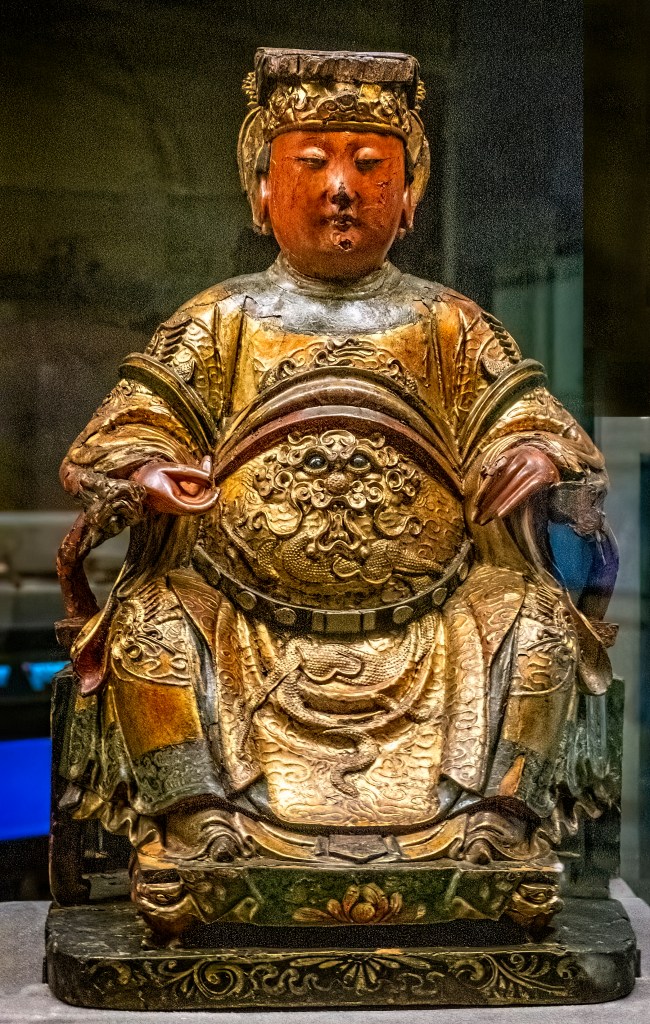
Chinese gods have the power to protect individuals and communities from dangers and crises. They generally have their special areas of competences, but different gods’ powers may overlap. Some gods may be more effective in certain areas than others. The following are the most common fields in which the gods help people.
Fields of Divine Saving
Life issues:
- Health issues – illnesses, childbirth, and plagues.
- Safety issues – dangers on land and at sea, robbery, murder, riots, warfare, animal attacks, and other accidents. Natural disasters – droughts, flooding , locust, and hurricanes.
- Other misfortunes – lawsuits, imprisonment, and dire poverty.
Otherworldly issues:
- Afflictions by ghosts and spirits – such as haunting and recurring nightmares.
- Sufferings in the underworld – undeserved death, rebirth as animals, and punishment after death for bad behaviours in life.
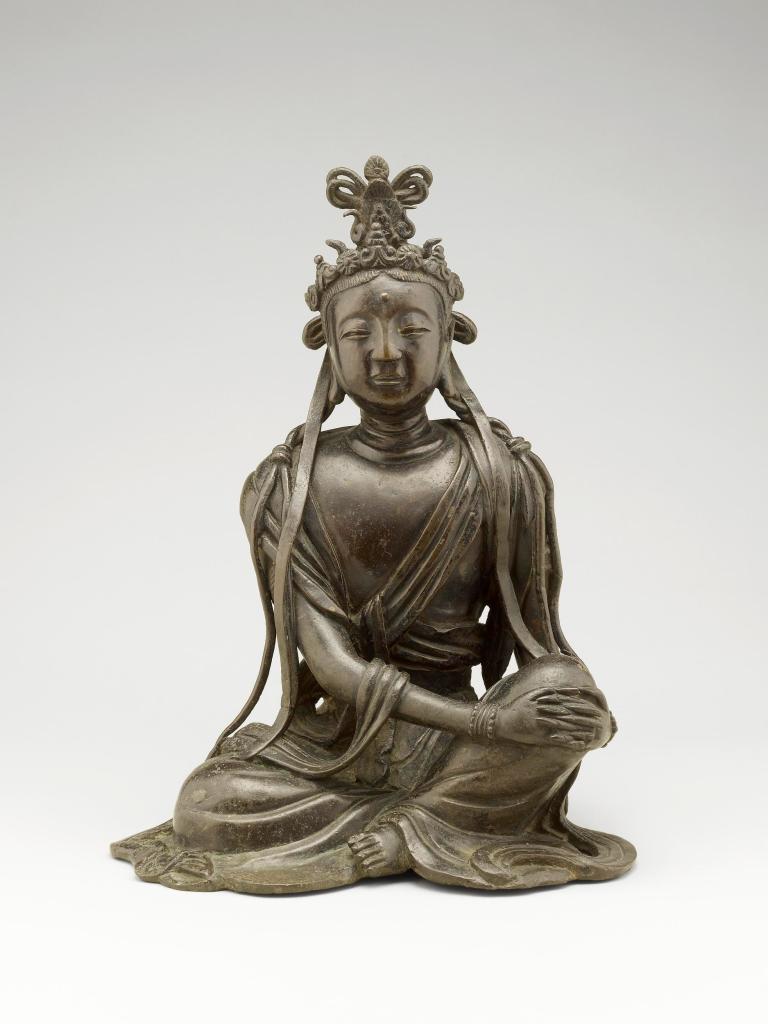
Gods and their methods of intervention
Some Chinese gods might manifest themselves when coming to people’s rescue; others might send their assistants to help. Some could perform miraculous rescue or healing; others could act in ways that are more intelligible to humans, such as giving therapies like a medical professional.
Read Stories
In groups of three or four, complete the following tasks:
a) make notes on the gods’ actions of saving;
b) answer the questions in the quiz.
Anecdote One
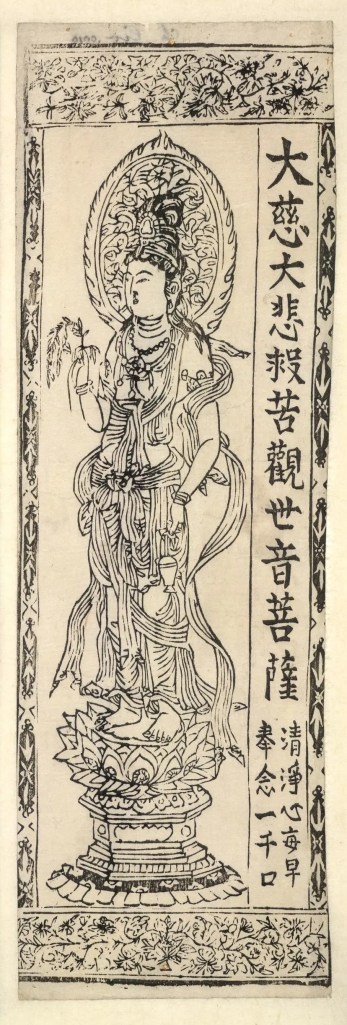
Context: Guanyin is a popular healing goddess in Chinese religions. In this story, she approaches an old woman and makes a deal with her.
An old woman from a village suffered from an ailing arm for a long time. One night, she dreamt of a woman dressed in white coming to visit her and said: “I also suffer from a broken arm. If you heal my arm, I shall heal yours.” The old woman asked: “Where do you live, my young lady?” “I stay in the west chamber of the Temple of Promoting Peace.” The old woman woke up and went to town to visit the temple. She told her dream to the temple monk, who thought for a while and said: “She must be Guanyin. I have a statue of her in white in my room. During house repair, her arm was damaged by accident.” He led the old woman to the room. It was indeed. The old woman then asked a craftsman to repair the statue. Once this was completed, her arm healed immediately.
Source: ‘Guanyin heals an arm,’ in Record of the Listener 夷堅志, a 12th-century Chinese collection of accounts about gods and spirits, jia, juan 10.
Quiz: In this healing story, who helped to identify the goddess?
A. the old woman
B. the young woman
C. the monk
D. the craftsman
Anecdote Two
Context: A group of gods is worshipped in a household, and they fight to defend the family from robbers.
An old man worships the All-Heaven Gods, who have shown great powers. Robbers once broke into his house without being noticed. The man dreamt of robbers coming in but were chased away by giants holding long spears. He woke up in fright and got up to check it. The outer door was open but nothing in the house was taken. The next morning, he saw a spear outside the main gate and wondered where it came from. As he entered the chamber of the All-Heaven Gods to burn incense, he found the spear that used to be held in the god’s hand missing. Only then did he understand the dream previous night.
Source: ‘Divine action from the All-Heaven God,’ Record of the Listener, bing, juan 6.
Quiz: What is concrete evidence of the gods’ action? (more than one answer)
A. the dream
B. the spear
C. the chamber
D. the door
E. the giants
Anecdote Three
Context: A knowledgeable man tells his friend about the goddess Heavenly Consort.
The goddess’ traces of miracles are many in Taiwan. The local people call her “Mother Ancestor.” At times when they meet dangerous winds and waves on the sea, if they call “Mother Ancestor,” the goddess will appear with her hair still hanging loose; her power will show immediately. If, instead, people call “Heavenly Consort,” then the goddess will arrive in her headdress and formal gown and therefore causes delay (in the rescue).
Source: ‘The Heavenly Consort,’ from Many Scholarly Inquiries amid Filial Duties 陔餘叢考, a Chinese scholar’s collection of notes and anecdotes written in the 18th century, 1790 imprint, juan 35.
Quiz: According to this story, which is a more effective way to call the goddess for help?
A. “Heavenly Ancestor!”
B. “Heavenly Mother!”
C. “Queen Mother!”
D “Mother Ancestor!”
 SAVING GODS.com
_China.jpg)